Sound Design Choices in Electronic Gaming Setups and How Audio Cues Shape Session Durations Across Regulated Reel Platforms
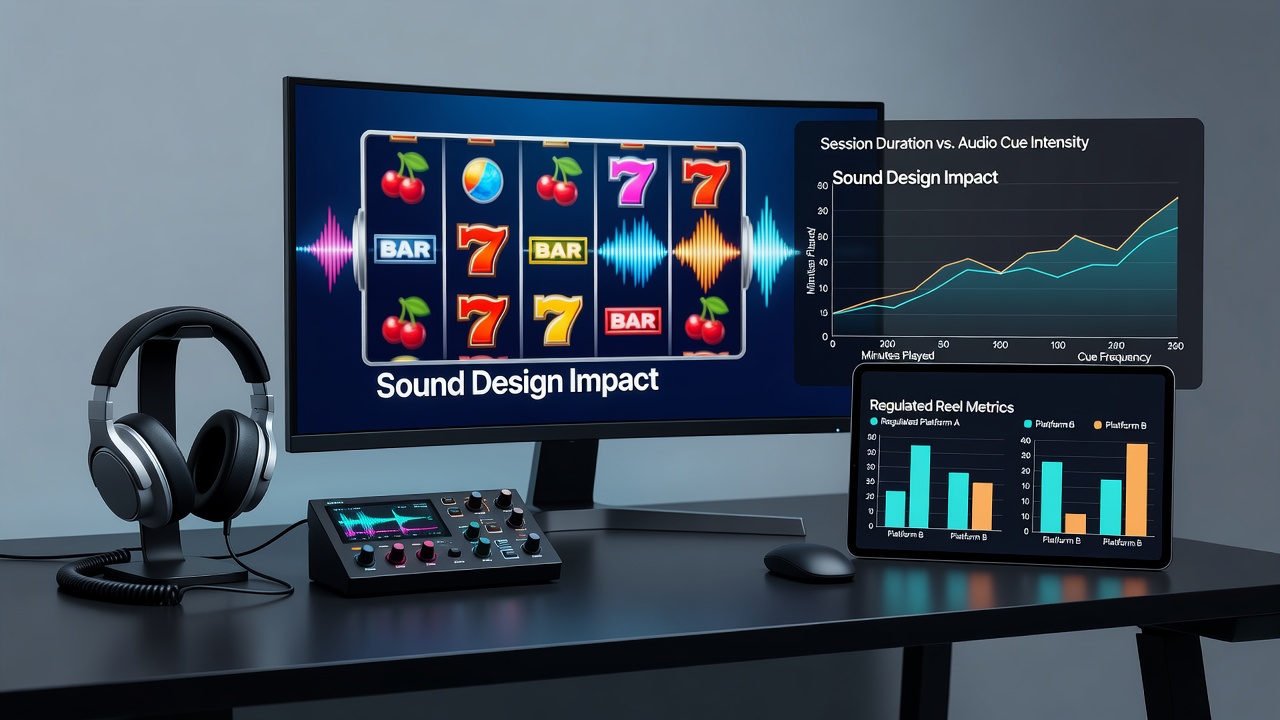
Electronic gaming setups on regulated reel platforms rely on carefully engineered sound design to create immersive experiences, and these choices directly influence how long sessions last in controlled environments. Audio elements such as win chimes, background tracks, and escalating tones combine with visual feedback to guide player behavior across jurisdictions that enforce strict technical standards.
Designers select frequencies and volumes that align with human auditory processing patterns, which studies show can extend engagement periods without crossing regulatory thresholds. In July 2026 several North American and Australian operators updated their platforms to meet revised audio compliance guidelines issued by state and territory authorities.
Core Elements of Sound Design in Reel Systems
Reel platforms incorporate layered audio tracks that include mechanical reel spins, celebratory fanfares, and subtle ambient loops, each calibrated to maintain consistent output levels. Engineers adjust pitch ranges so that higher-frequency win signals stand out against lower-frequency base music, creating contrast that draws attention to outcomes.
Regulated markets require documentation of these parameters during certification, which ensures uniformity across networked machines while allowing operators limited customization within approved ranges. Data from platform audits reveal that machines using synchronized audio-visual cues record measurable differences in average session length compared to those relying primarily on visual elements alone.
Audio Cues and Their Influence on Session Timing
Near-miss audio patterns, which employ rising tones that resolve without a full payout, appear in many certified systems and correlate with extended play intervals according to aggregated operator reports. These cues trigger anticipation responses that researchers have tracked through behavioral logging in controlled trials.
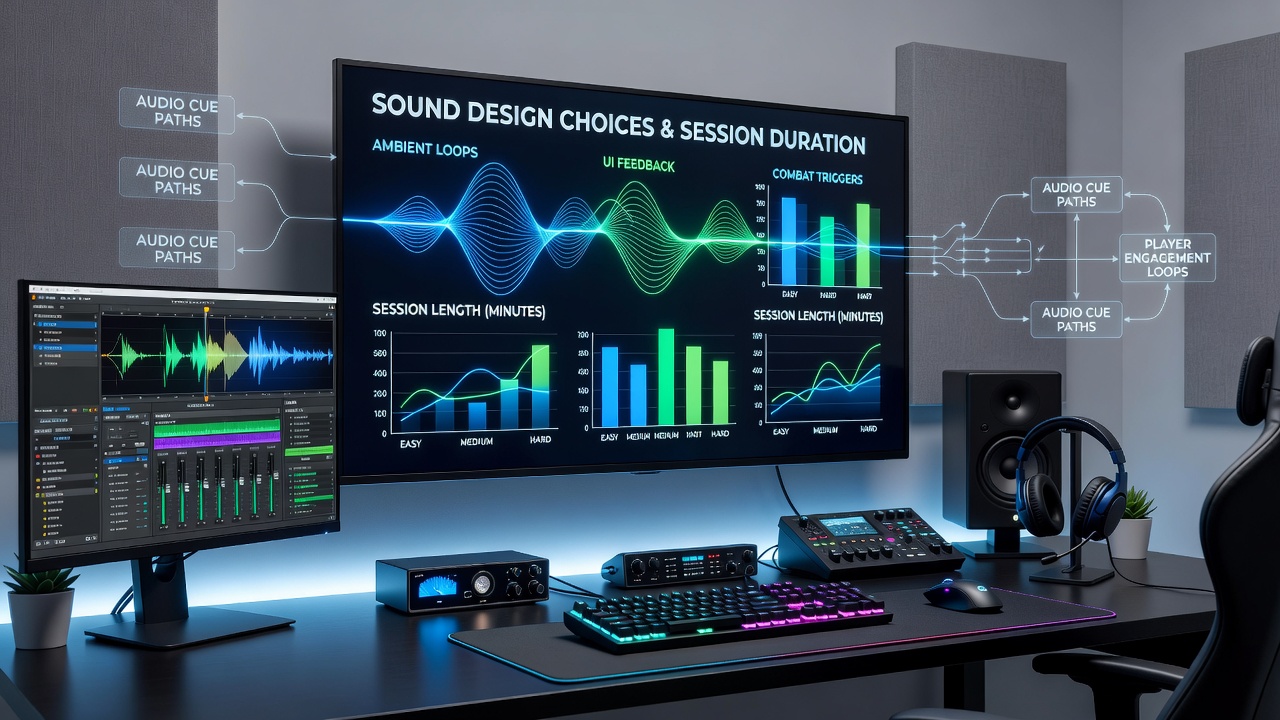
Background music tempo adjustments also factor into session dynamics, with slower loops often paired with base-game segments and faster progressions reserved for bonus rounds. Observers note that such transitions help sustain attention across longer periods because the auditory shift signals changing game states without requiring visual refocusing.
Volume envelopes on individual machines follow curves that peak during payout events yet return to baseline quickly, preventing auditory fatigue that could shorten sessions. Compliance testing in multiple regions confirms these envelopes stay within prescribed decibel limits while preserving the intended psychological effect.
Regulatory Frameworks Governing Audio Implementation
Jurisdictions including Nevada and several Australian states mandate third-party verification of sound files before deployment, focusing on randomization integrity and output consistency rather than psychological impact. These reviews occur alongside broader technical evaluations that cover random number generators and payout algorithms.
Operators submit updated audio libraries when platforms receive feature expansions, and regulators examine whether new cues alter established session metrics in simulated environments. Figures from 2025 and early 2026 show gradual adoption of adaptive audio systems that respond to individual machine occupancy levels while remaining within approved parameters.
One notable development involves cross-platform sound libraries shared among operators in cooperative regulatory schemes, which reduces development costs yet maintains distinct branding through selective layering. Such arrangements appear in both land-based and online regulated reel offerings where technical interoperability standards apply.
Measurement of Session Duration Effects
Analytics platforms integrated with certified reel systems log session start and end times alongside audio event triggers, producing datasets that operators and researchers analyze for patterns. These records indicate correlations between specific cue sequences and prolonged engagement, although causation remains subject to ongoing academic examination.
Independent studies, including work published through institutions such as the University of Nevada Reno psychology department, have examined how auditory reinforcement schedules interact with reward frequency to shape play length. Parallel research conducted in Canadian provincial settings has produced comparable datasets that regulators reference during policy reviews.
Session duration statistics collected across regulated networks also account for external variables such as time-of-day adjustments and promotional overlays, which can interact with baseline audio designs. Analysts separate these factors when preparing compliance reports that demonstrate adherence to responsible gaming mandates.
Technical Integration Across Multi-Venue Networks
Modern reel platforms transmit audio parameters through centralized management servers that enforce uniform settings across locations, allowing real-time monitoring for deviations. This architecture supports rapid updates when new regulatory directives require modifications to cue timing or intensity.
Engineers test integration points between hardware speakers, software mixers, and network latency buffers to prevent desynchronization that might disrupt the intended auditory flow. Such testing forms part of the broader certification process that occurs before machines enter active service in regulated markets.
Conclusion
Sound design choices in electronic gaming setups continue to evolve alongside regulatory requirements, with audio cues serving as measurable components that shape session durations on regulated reel platforms. Data collected through certified systems and independent research provide the factual basis for understanding these interactions, while ongoing technical standards ensure consistency across jurisdictions. As platforms incorporate refined audio libraries in 2026 and beyond, the relationship between cue design and engagement metrics remains a documented aspect of operational compliance.