Player Bankroll Dynamics in Cross-Border Digital Gaming Networks with Integrated Loyalty Mechanisms
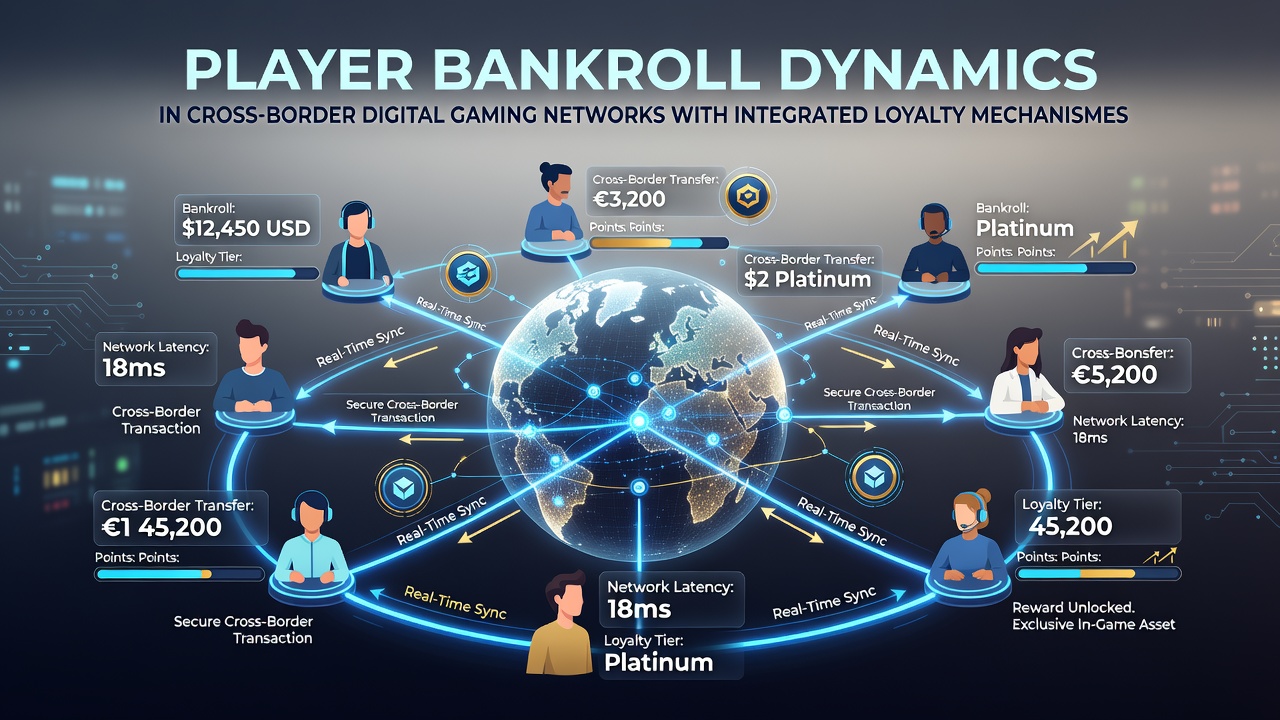
Cross-border digital gaming networks operate across multiple jurisdictions where players manage bankrolls that span different currencies and regulatory environments. Data from industry reports indicate that these networks handle transactions in real time while loyalty mechanisms adjust reward allocations based on activity levels across platforms. Observers note that bankroll allocation strategies shift when players move between regions because conversion rates and tax obligations vary by location.
Core Mechanics of Bankroll Movement
Players maintain digital wallets that connect to several operators through shared network protocols. Research from gaming analytics firms shows that loyalty points accumulate across borders yet convert differently depending on the target market. In June 2026 several networks updated their point valuation tables after currency fluctuations in Asian and European markets altered redemption values for high-volume users. Those who track these changes find that bankroll reserves often sit in stable currencies while loyalty balances serve as flexible buffers during promotional periods.
Currency Conversion and Network Rules
Integrated systems apply conversion rates at the moment of transfer rather than at deposit. Figures from the Malta Gaming Authority reveal that operators must disclose these rates upfront and maintain audit trails for every cross-border movement. Players frequently discover that loyalty tiers influence the speed of these conversions with higher tiers receiving priority processing and reduced fees. Data indicates that networks using tiered loyalty structures report steadier bankroll retention rates because participants receive incremental rewards that offset conversion losses.
One study released in early 2026 examined transaction logs from three major networks and found that loyalty integration reduced average withdrawal frequency by 18 percent. Researchers attributed the drop to players keeping balances active to unlock next-tier benefits that applied across multiple sites. This pattern holds particularly in regions where operators share player databases under strict data protection rules.
Loyalty Integration Across Jurisdictions
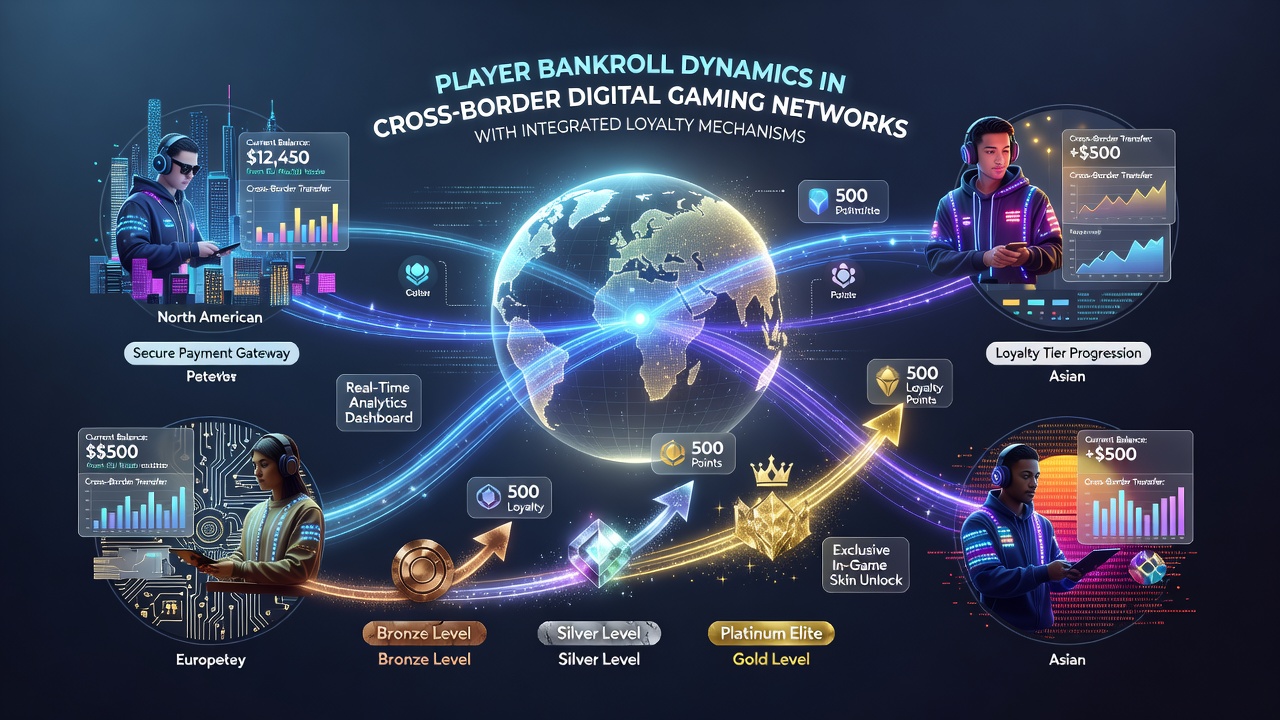
Loyalty mechanisms in these networks often function as a single points ledger that operators read differently according to local regulations. The Australian Communications and Media Authority requires clear separation between promotional credits and actual bankroll funds while Canadian provincial regulators focus on responsible gaming limits tied to loyalty status. Observers note that players who maintain activity in multiple regions must monitor both sets of rules to avoid unintended restrictions on fund access.
Turns out that some networks embed loyalty multipliers directly into game outcomes so that bankroll growth and point accumulation occur simultaneously. Reports from the European Gaming and Betting Association document how these multipliers adjust monthly based on aggregate player data across borders. In practice this means a player’s effective bankroll can increase faster in one jurisdiction than another even when the same game title runs on both platforms.
Impact on Allocation Strategies
Allocation decisions become more complex when loyalty status determines access to exclusive tables or slot pools. Data from network operators shows that players at higher tiers shift portions of their bankroll toward games that contribute more heavily to point totals. This behavior appears consistently in transaction records from networks operating in both regulated European markets and licensed Asian territories. Those who study these patterns find that the strategy preserves overall bankroll longevity while maximizing reward velocity.
External economic factors also play a role. Currency movements in June 2026 prompted several networks to introduce dynamic loyalty exchange rates that protect players against sudden devaluations. Industry reports indicate that these adjustments helped stabilize bankroll values for participants who regularly moved funds between platforms in different time zones.
Regulatory Considerations in 2026
Regulators continue to refine rules around cross-border data sharing and loyalty program transparency. The Nevada Gaming Control Board updated its guidelines in spring 2026 to require operators to display loyalty point values in the player’s base currency at all times. Similar updates appeared in Singapore and the Philippines where authorities emphasized clear disclosure of how loyalty benefits interact with deposit and withdrawal limits. These measures aim to reduce confusion when players operate across multiple licensed environments.
Networks that comply with the strictest standards often gain competitive advantages because players prefer platforms that reduce compliance friction. Research indicates that integrated loyalty systems with transparent rules correlate with higher average session lengths and more predictable bankroll trajectories across borders.
Conclusion
Player bankroll dynamics in cross-border digital gaming networks reflect the interplay between currency systems, loyalty structures, and regional regulations. Data continues to show that integrated loyalty mechanisms influence how participants allocate and preserve funds while moving between platforms. As networks refine their systems in response to 2026 regulatory updates, the relationship between bankroll management and reward programs remains a central factor in operational planning across the sector.