How Slot Machine Volatility Levels Interact with Tiered Loyalty Rewards in Digital Casinos
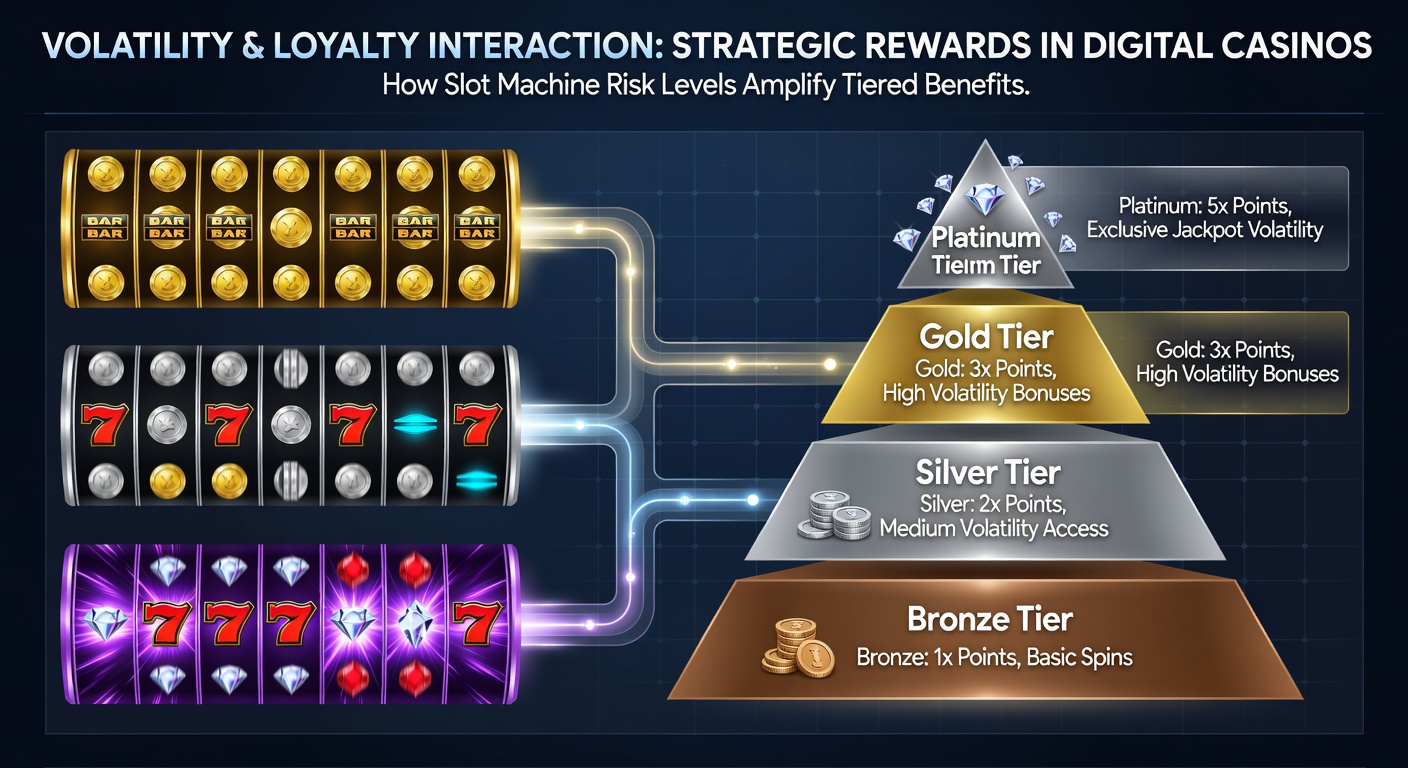
Slot machine volatility determines the frequency and size of payouts while tiered loyalty rewards scale benefits according to player activity, and these two systems connect through point accumulation rates, bonus eligibility, and long-term retention patterns in digital casinos. Observers note that low-volatility games deliver steady small wins which accumulate loyalty points gradually, whereas high-volatility titles produce larger but infrequent payouts that can accelerate tier progression when wins occur. Data from platform analytics in early 2026 shows that players who mix both volatility types often reach higher reward tiers faster than those who stick to one category alone.
Defining Volatility Categories in Digital Slots
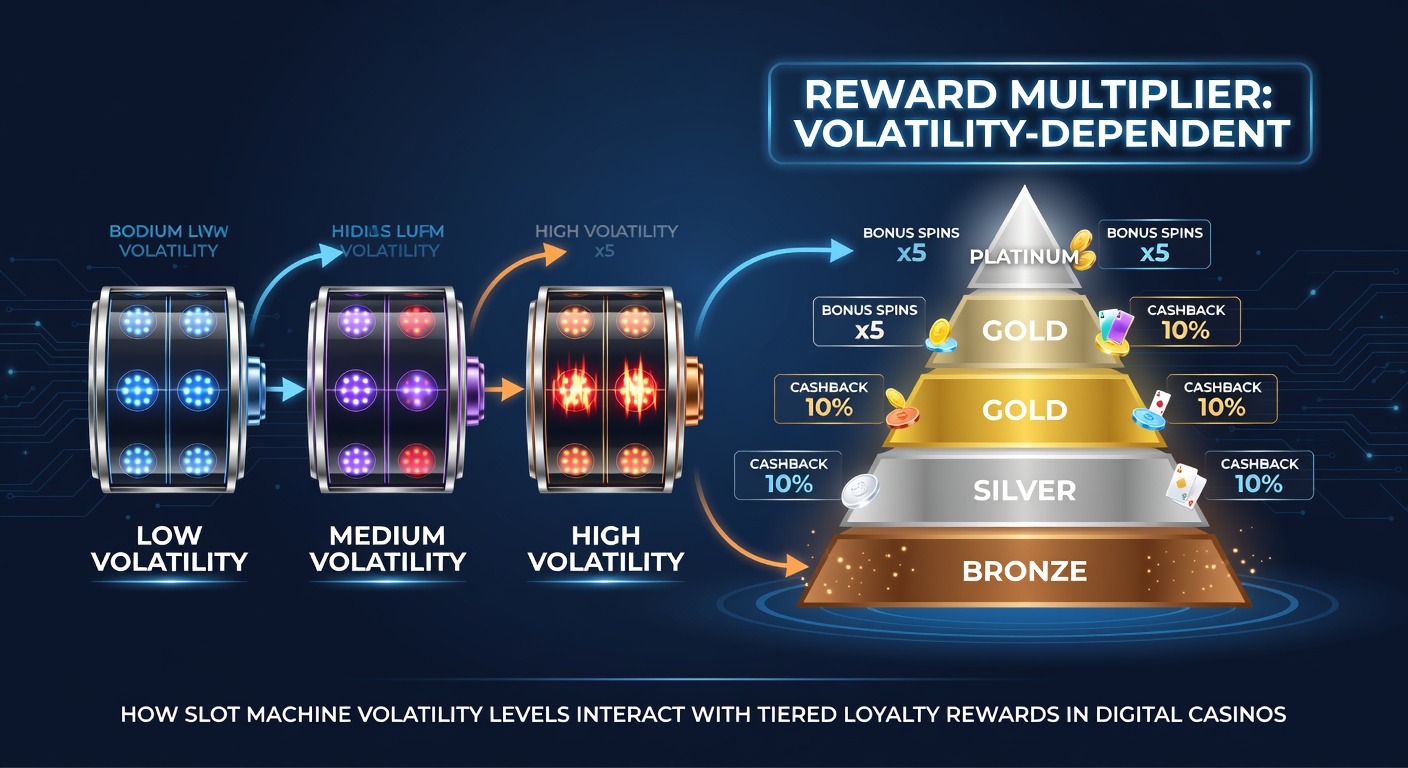
Low-volatility slots pay out smaller amounts more often, medium-volatility options balance frequency with payout size, and high-volatility machines offer rare but substantial returns. Research from the Alcohol and Gaming Commission of Ontario indicates that low-volatility titles generate consistent coin-in volume, which directly feeds loyalty point meters on most platforms. High-volatility games, by contrast, create spikes in session value that can push a player across tier thresholds during a single large payout. Medium-volatility slots occupy the middle ground, supporting steady progression without extreme swings in point earnings.
Platform operators adjust point multipliers based on game volatility settings in many cases, so a high-volatility title might award bonus points during promotional windows to offset longer dry spells. Those who track these multipliers find that loyalty systems reward volume over variance, which means low-volatility play maintains baseline tier status while occasional high-volatility sessions provide the jumps needed for elite levels.
Structure of Tiered Loyalty Rewards
Digital casinos organize loyalty programs into multiple tiers, each granting escalating perks such as cashback percentages, free spin allocations, and personalized bonuses. Entry-level tiers typically require modest point totals earned through regular play, while top tiers demand significant coin-in across weeks or months. Points usually convert from wagers at fixed rates, yet some operators apply volatility-based adjustments that alter the effective return during high or low variance sessions.
According to figures released by the Nevada Gaming Control Board, tier advancement correlates strongly with total handle rather than individual win size, which explains why players gravitate toward certain volatility mixes when chasing status upgrades. Higher tiers unlock withdrawal priority, dedicated account managers, and exclusive game access, all of which influence how participants select volatility levels to sustain activity.
Interaction Patterns Between Volatility and Tiers
The core interaction emerges when loyalty points accumulate at different rates depending on the volatility profile of selected games. Low-volatility slots keep point meters ticking during extended sessions, helping players maintain their current tier while avoiding long losing streaks that might discourage continued play. High-volatility machines, when they hit, deliver point surges that can vault a player into the next tier bracket within hours rather than days.
Medium-volatility titles serve as bridges, offering enough consistency to support daily point goals while occasionally producing the larger wins that accelerate progress. Platform data collected through June 2026 reveals that players who rotate across all three volatility categories achieve higher average tier retention rates than single-category participants. Loyalty algorithms often factor in session length and game type, so a high-volatility win followed by low-volatility grinding can optimize both short-term advancement and long-term stability.
Player Behavior and Platform Adjustments
Participants who understand these mechanics often plan their game selection around upcoming tier deadlines or promotional periods. A player nearing a tier upgrade might switch to high-volatility titles for a chance at rapid point gains, then return to low-volatility options to protect that status with steadier play. Casinos respond by offering volatility-specific promotions, such as extra point multipliers on high-variance games during slow periods, which further shapes these choices.
Studies from the University of Nevada, Reno Gaming Research Center show that tiered systems with volatility-aware multipliers increase overall handle by encouraging diversified play. In June 2026 several major platforms introduced dynamic point rates that shift according to real-time volatility data, giving players clearer signals about which games will move them forward fastest. This transparency reduces guesswork and lets participants align their volatility preferences with loyalty objectives more precisely.
Conclusion
Slot volatility and tiered loyalty rewards intersect through point accumulation mechanics, payout timing, and strategic game selection. Low-volatility titles sustain steady progress, high-volatility sessions create advancement spikes, and medium options provide balance. As platforms refine these systems with volatility-linked multipliers and dynamic promotions, players gain more tools to navigate tier structures efficiently. The relationship continues to evolve as operators incorporate new data streams that link variance patterns directly to reward outcomes.