Decoding Interlinked Reward Mechanisms Across Digital Reel and Table Experiences
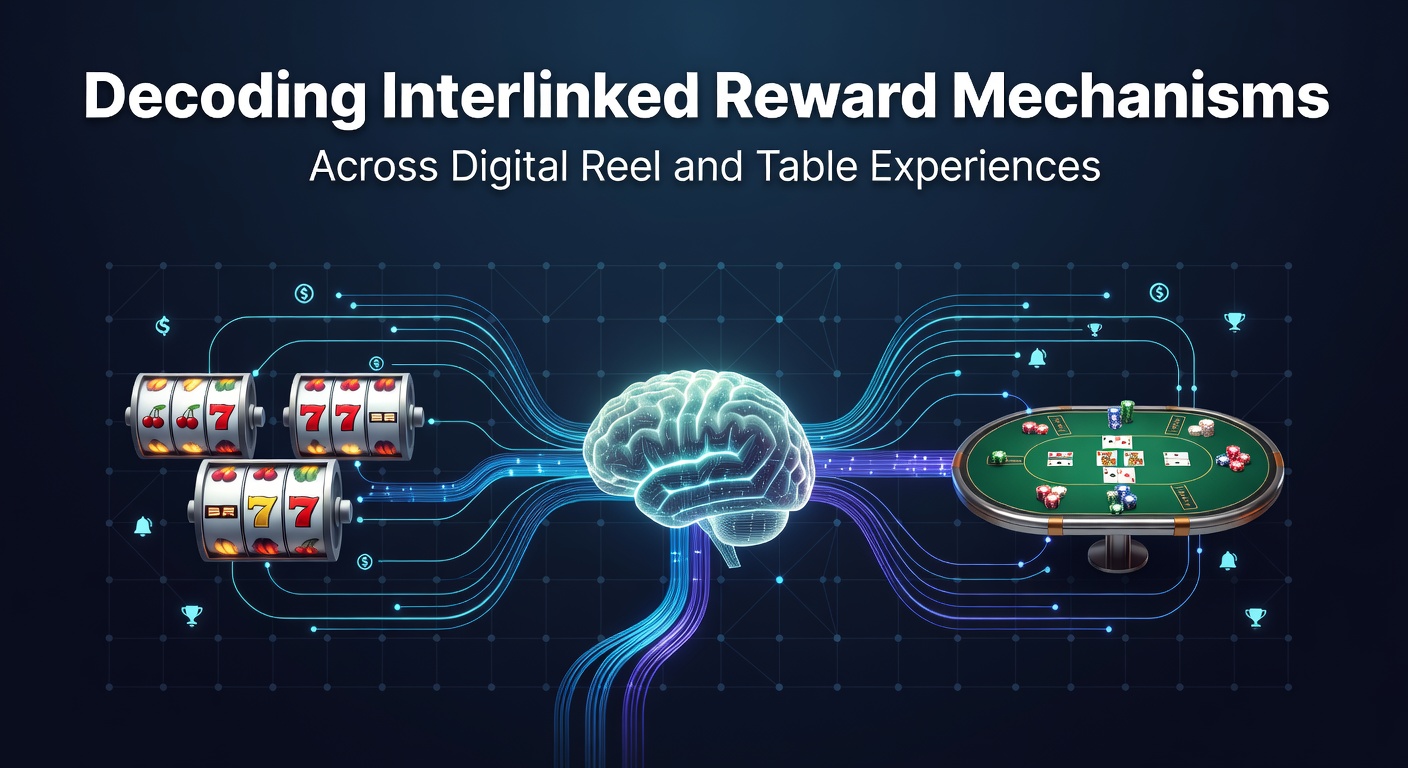
Digital reel games and table experiences operate through distinct mechanics yet share increasingly connected reward structures that shape player progression across platforms. These interlinked systems combine elements like loyalty accumulation, tiered bonuses, and unified progression tracks that allow activity in one format to influence outcomes in the other, and operators have refined these connections to maintain engagement throughout 2026.
Core Components of Reward Integration
Slots deliver rewards primarily through random number generators that determine symbol alignments and trigger features such as free spins or multipliers, while table games incorporate elements like hand outcomes, side bets, and dealer interactions that feed into separate point systems. Platforms merge these by converting play from both categories into a single loyalty currency, which means sessions spent on digital reels can unlock table-specific comps such as reduced rake or enhanced limits. Data from regulatory filings shows this integration appears in major markets where operators track cross-category activity to adjust bonus eligibility in real time.
One mechanism involves shared wallets that pool winnings and deposits, allowing seamless movement between reel spins and card-based rounds without separate funding steps. Another layer comes from achievement badges that span formats, where completing a certain number of reel bonuses contributes toward table game entry requirements like private tournaments. Observers note that these connections reduce friction for users who switch between game types during a single session.
Player Progression Across Formats
Tiered loyalty programs form the backbone of interlinking, with points earned from reel volatility feeding into status levels that grant table advantages like priority seating in live dealer environments. Research indicates that players who alternate between high-volatility slots and strategy-focused tables accumulate status faster when operators apply multipliers to combined activity. In May 2026 several platforms updated their algorithms to weight table game contributions higher during promotional periods, reflecting patterns observed in retention metrics from the prior year.
Examples include systems where reel-triggered jackpots contribute partial credit toward table rakeback schedules, creating a loop where success in one area accelerates benefits in the other. This approach appears in both desktop and mobile interfaces, where progress bars display unified metrics regardless of the current game selection. Those who study user behavior report that such features encourage longer overall play sessions as participants chase interconnected milestones.
Technical Implementation and Data Flows
Backend systems use centralized databases to log activity across reels and tables, applying algorithms that calculate equivalent value for different game types based on house edge and session length. For instance, a series of slot spins generating a fixed coin value might equate to a set number of table hands when determining bonus unlocks. This equivalence allows operators to balance reward distribution without favoring one format disproportionately.

API connections between game providers and the main platform handle real-time updates, ensuring that a table game win immediately reflects in reel-related promotions such as deposit matches. Figures from industry reports reveal that these technical links have expanded since 2024, coinciding with broader adoption of unified player accounts across international operators. What's interesting is how regulatory frameworks in regions like Australia and parts of Europe require transparent reporting on how these cross-format calculations affect player returns.
Additional layers come from personalized offers generated by machine learning models that analyze combined play history. A user who favors digital reels during weekdays might receive table game incentives on weekends based on prior patterns, while consistent table players see reel bonuses tied to their established habits. These models draw from aggregated data sets that exclude individual identifiers to comply with privacy standards.
Market Trends Observed in 2026
By May 2026 operators had begun emphasizing hybrid events that combine reel tournaments with table qualifiers, where performance in one segment carries over to affect standings in the other. This format appears in scheduled competitions that award prizes based on total points accumulated across both experiences rather than isolated results. According to data compiled by the European Gaming and Betting Association, such events contributed to measurable increases in cross-format participation rates during early 2026.
Another trend involves integration with external loyalty ecosystems, where casino points convert into rewards from partnered services while still tracking activity from reels and tables internally. This extends the reach of reward mechanisms beyond the platform itself, though core calculations remain focused on in-game metrics like bet volume and game frequency.
Those who've examined platform updates note that mobile applications now display unified dashboards that highlight how recent reel sessions influence upcoming table promotions, reducing the need for players to track separate progress indicators. This presentation style supports quicker decision-making when users decide which format to engage with next.
Conclusion
Interlinked reward mechanisms continue to evolve as operators refine connections between digital reel and table experiences through shared loyalty systems, technical data flows, and cross-format events. These structures rely on centralized tracking that converts activity from one category into benefits for the other, supported by regulatory oversight in multiple jurisdictions. The patterns established through 2026 demonstrate how platforms maintain engagement by allowing progress in reels to directly affect table opportunities and vice versa, creating cohesive experiences across game types without requiring separate account management.